|
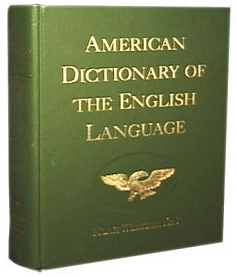
Search, browse, and study this dictionary to learn more about the early American, Christian language. 
1828.mshaffer.com › Word [lot]
LOT, n. 1. That which, in human speech, is called chance, hazard, fortune; but in strictness of language, is the determination of Providence; as, the land shall be divided by lot. Num. 26.2. That by which the fate or portion of one is determined; that by which an event is committed to chance, that is, to the determination of Providence; as, to cast lots; to draw lots.The lot is cast into the lap, but the whole disposing thereof is of the Lord. Prov. 16.3. The part, division or fate which falls to one by chance, that is, by divine determination.The second lot came forth to Simeon. Josh. 19.He was but born to try the lot of man, to suffer and to die.4. A distinct portion or parcel; as a lot of goods; a lot of boards.5. Proportion or share of taxes; as, to pay scot and lot.6. In the United States, a piece or division of land; perhaps originally assigned by drawing lots, but now any portion, piece or division. So we say, a man has a lot of land in Broadway, or in the meadow; he has a lot in the plain, or on the mountain; he has a home-lot, a house-lot, a wood-lot.The defendants leased a house and lot in the city of New York.To cast lots, is to use or throw a die, or some other instrument, by the unforseen turn or position of which, an event is by previous agreement determined.To draw lots, to determine an event by drawing one thing from a number whose marks are concealed from the drawer, and thus determining an event.LOT, v.t. To allot; to assign; to distribute; to sort; to catalogue; to portion.
|
Evolution (or devolution) of this word [lot]
| 1828 Webster | 1844 Webster | 1913 Webster |
|---|
LOT, n. 1. That which, in human speech, is called chance, hazard, fortune; but in strictness of language, is the determination of Providence; as, the land shall be divided by lot. Num. 26.2. That by which the fate or portion of one is determined; that by which an event is committed to chance, that is, to the determination of Providence; as, to cast lots; to draw lots.The lot is cast into the lap, but the whole disposing thereof is of the Lord. Prov. 16.3. The part, division or fate which falls to one by chance, that is, by divine determination.The second lot came forth to Simeon. Josh. 19.He was but born to try the lot of man, to suffer and to die.4. A distinct portion or parcel; as a lot of goods; a lot of boards.5. Proportion or share of taxes; as, to pay scot and lot.6. In the United States, a piece or division of land; perhaps originally assigned by drawing lots, but now any portion, piece or division. So we say, a man has a lot of land in Broadway, or in the meadow; he has a lot in the plain, or on the mountain; he has a home-lot, a house-lot, a wood-lot.The defendants leased a house and lot in the city of New York.To cast lots, is to use or throw a die, or some other instrument, by the unforseen turn or position of which, an event is by previous agreement determined.To draw lots, to determine an event by drawing one thing from a number whose marks are concealed from the drawer, and thus determining an event.LOT, v.t. To allot; to assign; to distribute; to sort; to catalogue; to portion. |
LOT, n. [Sax. hlot, hlodd, hlet, hlyt; Goth. hlauts; D. and Fr. lot; Sw. lott; Dan. and Arm. lod; G. los; It. lotto; Sp. loteria, a lottery. The primary sense is that which comes falls or happens, or a part, a division, or share. The French from lot, have lotir, to divide; Arm. loda, id. whence lodecq, a co-heir.]- That which, in human speech, is called chance, hazard fortune; but in strictness of language, is the determination of Providence; as, the land shall be divided by lot. – Num. xxvi.
- That by which the fate or portion of one is determined that by which au event is committed to chance, that is the determination of Providence; as, to cast lots; to draw lots.
The lot is cast into the lap, but the whole disposing thereof is of the Lord. – Prov. xvi.
- The part, division or fate which falls to one by chance, that is, by divine determination.
The second lot came forth to Simeon. – Josh. xix.
He was but born to try / The lot of man, to falter and to die. – Pope.
- A distinct portion or parcel; as, a lot of goods; a lot of boards.
- Proportion or share of taxes; as, to pay scot and lot.
- In the United States, a piece or division of land; perhaps originally assigned by drawing lots, but now any portion, piece or division. So we say, a man has a lot of land in Broadway, or in the meadow; he has a lot in the plain, or on the mountain; he has a home-lot, a house-lot, a wood-lot.
The defendants leased a house and lot in the city of New York. Kent. Franklin. Law of Penn.
To cast lots, is to use or throw a die, or some other instrument, by the unforeseen turn or position of which, an event is by previous agreement determined.
To draw lots, to determine an event by drawing one thing from a number whose marks are concealed from the drawer, and thus determining an event.
LOT, v.t.To allot; to assign; to distribute; to sort; to catalogue; to portion. – Prior. |
Lot
- That which happens without human design or
forethought; chance; accident; hazard; fortune; fate.
- To allot] to sort; to portion.
- Anything (as a die, pebble, ball, or slip
of paper) used in determining a question by chance, or without man's
choice or will; as, to cast or draw lots.
- The part, or fate, which falls to one, as
it were, by chance, or without his planning.
- A separate portion; a number of things
taken collectively; as, a lot of stationery; -- colloquially,
sometimes of people; as, a sorry lot; a bad
lot.
- A distinct portion or plot of land,
usually smaller than a field; as, a building lot in a
city.
- A large quantity or number; a great deal;
as, to spend a lot of money; lots of people think
so.
- A prize in a lottery.
|
| 1828 Webster | 1844 Webster | 1913 Webster |
|---|
Thank you for visiting!
- Our goal is to try and improve the quality of the digital form of this dictionary being historically true and accurate to the first American dictionary. Read more ...
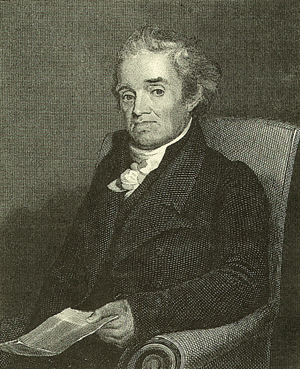
- Below you will find three sketches from a talented artist and friend depicting Noah Webster at work. Please tell us what you think.
Divine Study
 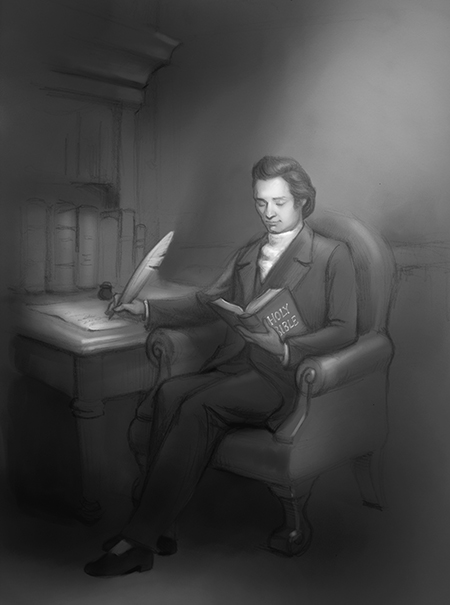
Divine Study
|
Window of Reflection
 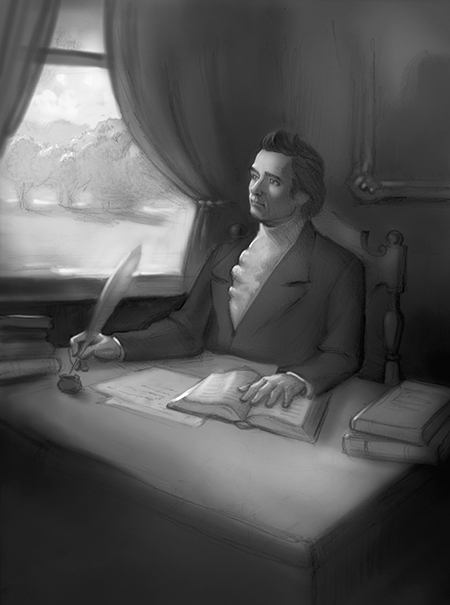
Window of Reflection
|
Enlightening Grace
 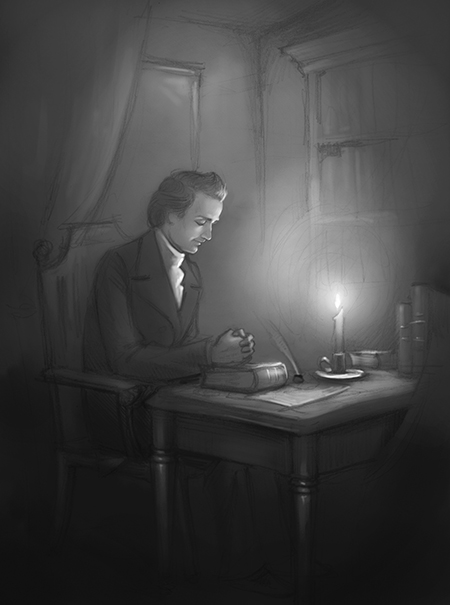
Enlightening Grace
|
164
|
955 |
126
|
1037 |
199
|
1078 |

Lot LOT, noun 1. That which, in human speech, is called chance, hazard, fortune; but in strictness of language, is the determination of Providence; as, the land shall be divided by lot Numbers 26:55. 2. That by which the fate or portion of one is determined; that by which an event is committed to chance, that is, to the determination of Providence; as, to cast lots; to draw lots. The lot is cast into the lap, but the whole disposing thereof is of the Lord. Proverbs 16:33. 3. The part, division or fate which falls to one by chance, that is, by divine determination. The second lot came forth to Simeon. Joshua 19:1. He was but born to try the lot of man, to suffer and to die. 4. A distinct portion or parcel; as a lot of goods; a lot of boards. 5. Proportion or share of taxes; as, to pay scot and lot 6. In the United States, a piece or division of land; perhaps originally assigned by drawing lots, but now any portion, piece or division. So we say, a man has a lot of land in Broadway, or in the meadow; he has a lot in the plain, or on the mountain; he has a home-lot, a house-lot, a wood-lot. The defendants leased a house and lot in the city of New York. To cast lots, is to use or throw a die, or some other instrument, by the unforseen turn or position of which, an event is by previous agreement determined. To draw lots, to determine an event by drawing one thing from a number whose marks are concealed from the drawer, and thus determining an event. LOT, verb transitive To allot; to assign; to distribute; to sort; to catalogue; to portion. |

|
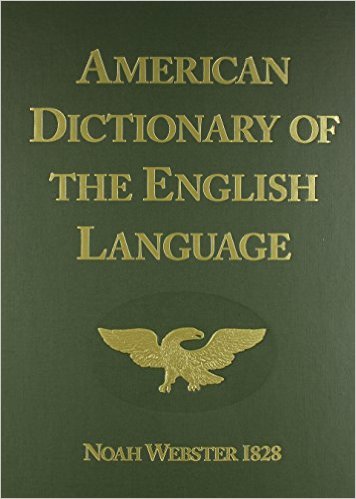
| Hard-cover Edition |
385 |
 |
566 |
|
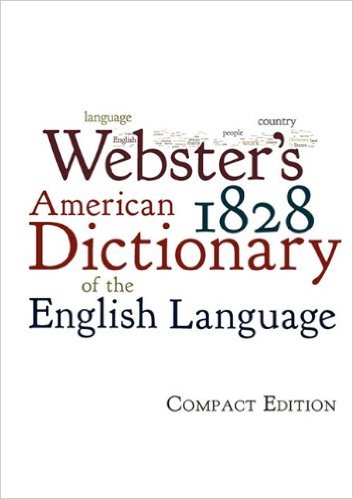
| Compact Edition |
369 |
 |
259 |
|
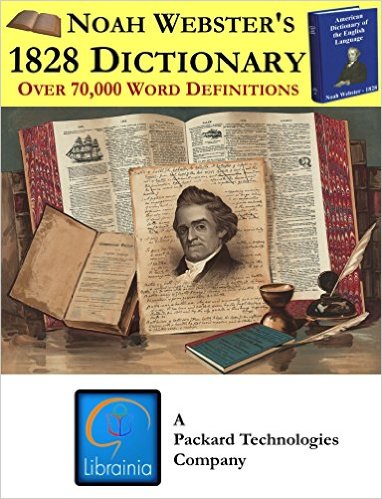
| CD-ROM |
326 |
 |
202 |
|
* As a note, I have purchased each of these products. In fact, as we have been developing the Project:: 1828 Reprint, I have purchased several of the bulky hard-cover dictionaries. My opinion is that the 2000-page hard-cover edition is the only good viable solution at this time. The compact edition was a bit disappointing and the CD-ROM as well. |
| [ + ] |
| Add Search To Your Site |
|
|
|